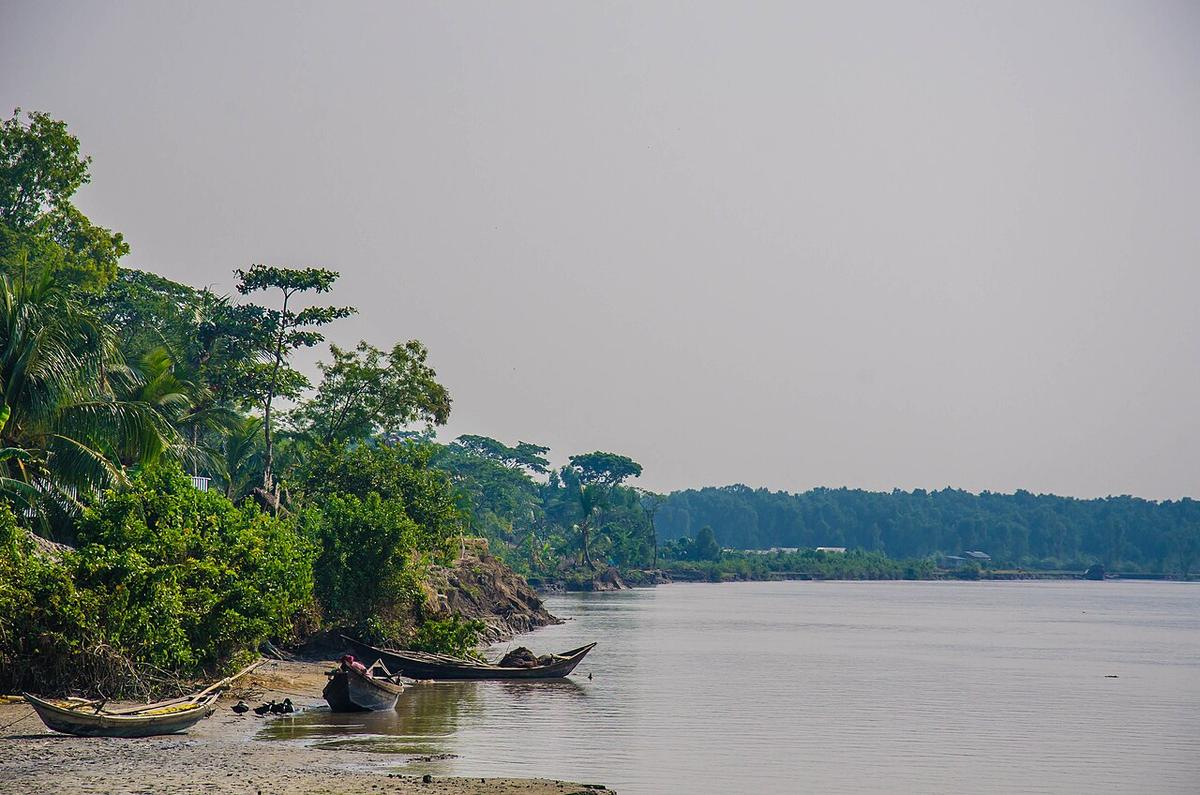
Nijhum Dwip
An island national park off Hatiya with mangroves and spotted deer.
Photo: Md Saiful Islam Khan (Aopu) / Wikimedia Commons · CC BY-SA 4.0 · Source
Noakhali district guideAn island national park off Hatiya with mangroves and spotted deer. It is in Noakhali district, Chattogram Division.
Nijhum Dwip, "the silent island", is a small island in Hatiya upazila of Noakhali, at the mouth of the Meghna in the Bay of Bengal. It grew out of sandbanks that appeared in the shallow estuary in the early 1950s; fishermen first called it Baular Char, "sand char", and it received its present name in 1975.
A forestation programme started by the Forest Department in 1974 turned the north of the island into a dense coastal forest, mostly of keora with gewa, kankra and other mangrove trees. In 2001 the forest here and in the wider Jahajmara range was declared a national park. In winter thousands of migratory birds arrive. About 25,000 people lived on the island in 2016, mostly farming, fishing and raising livestock.
Sources: Wikipedia: Nijhum Dwip · facts checked Oct 7, 2026
An island national park off Hatiya with mangroves and spotted deer.
Photo: Md Saiful Islam Khan (Aopu) / Wikimedia Commons · CC BY-SA 4.0 · Source
Noakhali district guideChosen by type, shared district and how close they are on the map.
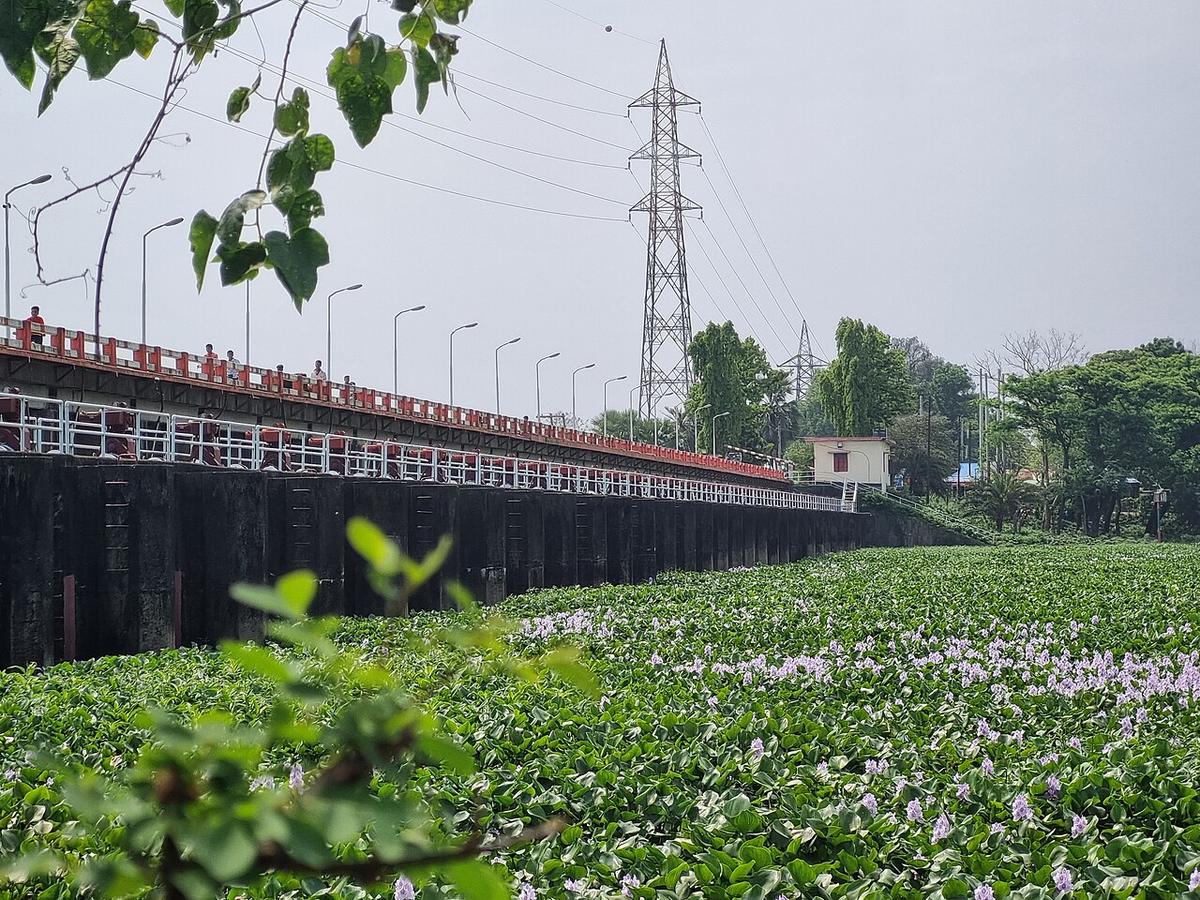
An irrigation scheme on the Muhuri river near the Feni coast, with wind turbines.
Photo: Bolideleoi / Wikimedia Commons · CC BY 4.0 · Source
Feni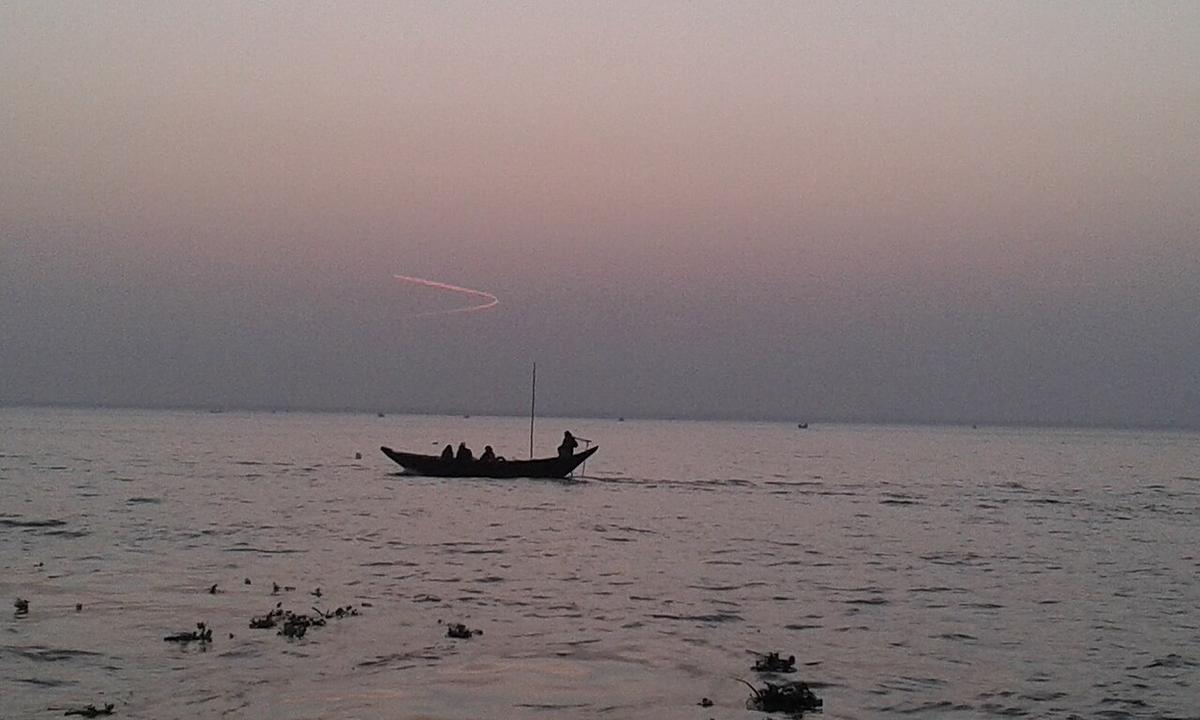
The riverside point in Chandpur where the Padma, Meghna and Dakatia meet.
Photo: Mr. Mamun Mozumder / Wikimedia Commons · CC BY-SA 4.0 · Source
Chandpur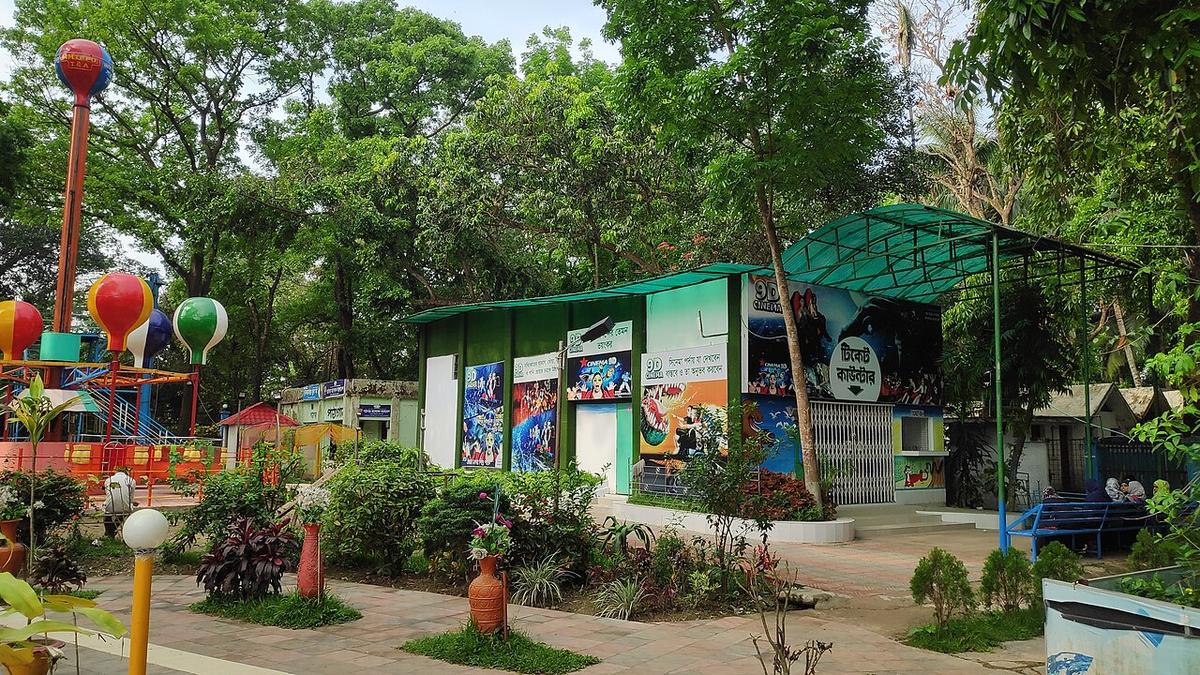
A large historic tank in Cumilla town, dug by a king of Tripura in the 15th century.
Photo: Shahidul Hasan Roman / Wikimedia Commons · CC BY-SA 4.0 · Source
Cumilla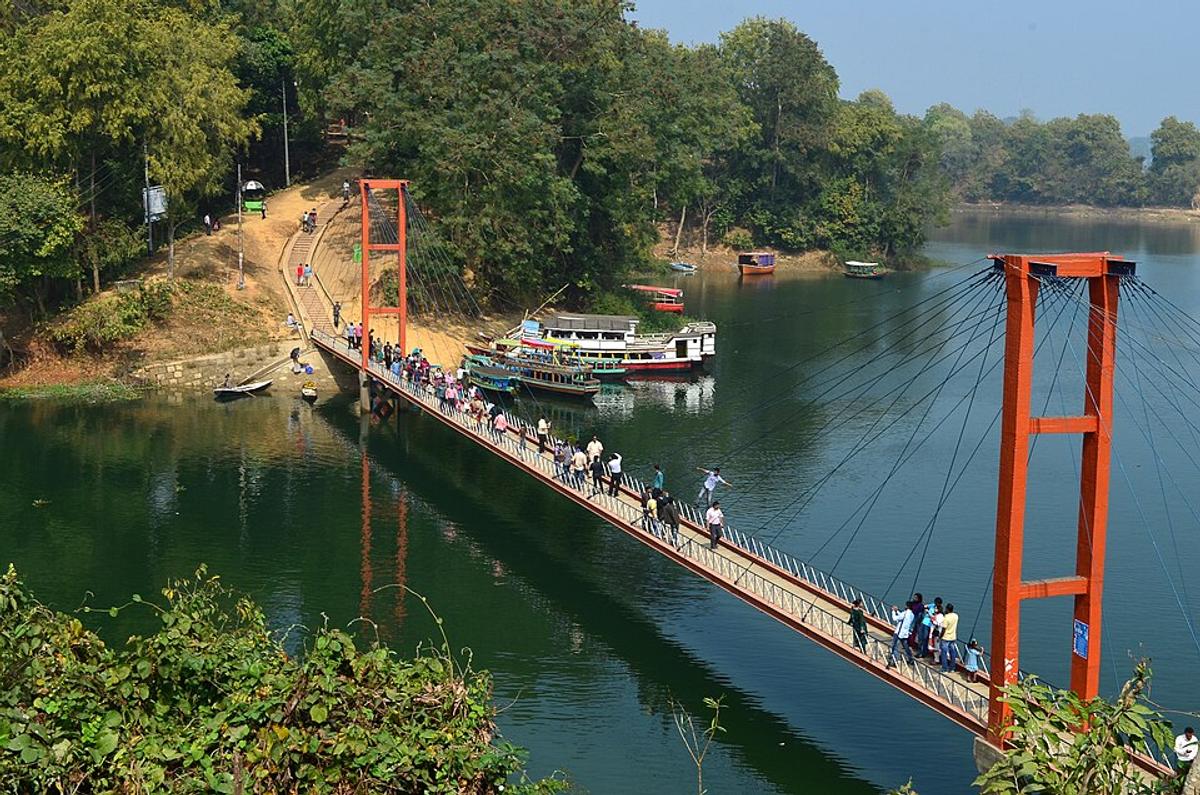
A large man-made reservoir surrounded by hills.
Photo: Shakhawat Hossen Shafat / Wikimedia Commons · CC BY-SA 4.0 · Source
RangamatiNijhum Dwip, "the silent island", is a small island in Hatiya upazila of Noakhali, at the mouth of the Meghna in the Bay of Bengal. It grew out of sandbanks that appeared in the shallow estuary in the early 1950s; fishermen first called it Baular Char, "sand char", and it received its present name in 1975.
Nijhum Dwip is in Noakhali in Bangladesh.
It is a Nature destination.
We don't have verified information on this yet, so no months are given.